
Introduction
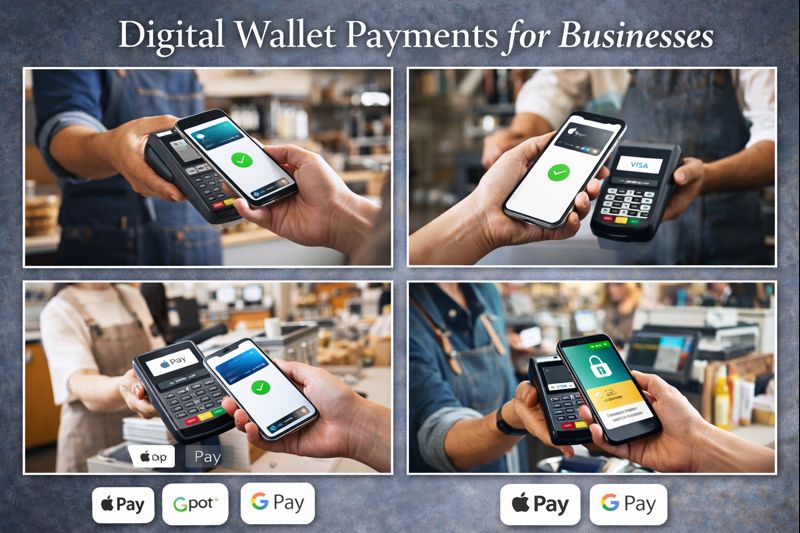
In today’s fast-paced digital economy, businesses of all sizes are continually seeking innovative ways to streamline operations, boost efficiency, and provide better customer experiences. One such innovation is the adoption of digital wallets—a technology that has evolved from being simply a consumer novelty into a vital tool for modern businesses. Digital wallets are electronic applications or devices that securely store payment information and enable swift, contactless transactions both online and in person. Driven by shifting consumer preferences and the ongoing digitization of commerce, digital wallets offer a transformative way for businesses to keep pace with technological progress. For a comprehensive, actionable guide on integrating digital wallet payments into your business, consider exploring how to accept digital wallet payments. This detailed resource, provided by JIM—a leading financial technology company specializing in seamless payment solutions—offers step-by-step instructions tailored to various business models. Whether you are a traditional brick-and-mortar retailer or operate fully online, this guide ensures a smooth transition to digital payment acceptance, covering everything from compliance requirements and technical setup to customer communication strategies.
The Rise of Digital Wallets in Business
Over the past decade, digital wallets have experienced rapid growth in both consumer usage and business adoption. According to a Federal Reserve report, the adoption of digital wallets by U.S. businesses jumped from 47% in 2022 to 62% in 2023, underscoring a significant shift in payment technology preferences. This surge can be attributed to consumers’ growing comfort with mobile payments, heightened demand for contactless solutions post-pandemic, and the need for businesses to process transactions more efficiently. The trend is particularly prominent among service-oriented companies—such as restaurants, salons, and entertainment venues—as well as large enterprises that drive considerable transaction volume. For these organizations, the benefits of offering digital wallets go beyond convenience; they include improvements in operational efficiency and the overall customer experience. As consumers grow more accustomed to fast, seamless electronic payments, businesses that fail to adapt risk losing both relevance and revenue.
Benefits of Integrating Digital Wallets
Integrating digital wallets into business operations offers several compelling advantages that can have a lasting impact on efficiency, profitability, and customer retention:
- Enhanced Transaction Speed: Digital wallets facilitate quicker checkouts, reducing wait times and significantly improving customer satisfaction. The ability to tap a smartphone or smartwatch, rather than swiping a card or handling cash, speeds up transactions and enables businesses to serve more customers in the same time frame. This is particularly valuable during peak hours or in high-volume retail settings where reducing queue lengths can directly impact sales.
- Improved Security: Advanced security features, such as end-to-end encryption and tokenization, are built directly into most digital wallet platforms. These measures help protect sensitive payment information, dramatically reducing the risk of data breaches and fraud compared to traditional card-based systems. In addition, customers often perceive digital wallets as safer, especially when biometric authentication, such as fingerprint or facial recognition, is required to authorize payments.
- Cost Efficiency: By minimizing the need for physical payment processing hardware and lowering the volume of cash transactions, businesses can reduce operational costs related to cash handling, paper receipts, and card processing equipment. Additionally, the automation of digital transactions helps lower administrative overhead and can even simplify reconciliation of accounting records.
Digital wallets can also help businesses respond more flexibly to evolving customer expectations, including the growing demand for touchless and frictionless payment experiences. Data generated from digital wallet transactions can also provide valuable insights into customer behavior, enabling businesses to refine marketing strategies and personalize their offerings.
Real-World Success Stories
Several businesses have successfully integrated digital wallets, yielding impressive results that demonstrate both operational benefits and improvements in customer engagement:
- Bread & Spread Bakery: This Brooklyn-based bakery implemented Apple Pay and Google Pay as part of their checkout process, resulting in a 27% increase in checkout speed. Faster transactions not only improved the customer experience during rush hours but also reduced customer abandonment by 19% during peak periods. By reducing friction at the point of sale, the bakery increased transactions per hour, directly boosting revenue and customer satisfaction.
- Paws & Claws Pet Boutique: An Austin-based specialty store targeting pet owners, Paws & Claws introduced a cardless loyalty program via Google Pay. As a result, the boutique saw a 34% increase in repeat customer visits and tripled the average value of customer rewards redemption within six months. The ease of tracking points and redeeming offers in a digital wallet enhanced customer loyalty and made program participation seamless.
These stories highlight the tangible ways digital wallets can positively affect both day-to-day business operations and long-term customer relationships. By leveraging digital wallet features, businesses can capture more detailed spending data, deliver targeted incentives, and create a payment process that delights rather than frustrates customers.
Implementing Digital Wallets: A Step-by-Step Guide
For businesses considering adopting digital wallets, getting started may feel daunting, but a structured approach can make the process straightforward. The following steps can serve as an effective roadmap:
- Assess Compatibility: Evaluate whether your existing point-of-sale (POS) systems and online platforms are compatible with leading digital wallet technologies. This may involve reviewing your current payment processor or investigating plugin options for your ecommerce platform.
- Choose the Right Providers: Select digital wallet services such as Apple Pay, Google Pay, or Samsung Pay that align with your business type and your customer base’s preferences. Consider factors like supported devices, processing fees, and any value-added features such as loyalty integrations.
- Train Staff: Investing in staff training is crucial for ensuring a smooth rollout. Train employees to accept various digital wallets, troubleshoot common issues, and educate customers who may be new to this form of payment.
- Promote Adoption: Proactively inform customers about your new digital payment options. Leverage marketing materials, social media, email newsletters, and in-store signage to highlight the added convenience and security that digital wallets provide. Make sure customers are aware of any special promos or incentives tied to digital payments.
- Monitor and Optimize: Once launched, regularly review transaction data to identify usage patterns, customer preferences, and opportunities for operational improvement. Solicit feedback from both staff and customers, and be prepared to make adjustments as new digital wallet technologies and features become available.
Following this process helps ensure that businesses can introduce digital wallets confidently and maximize the benefits from day one.
Overcoming Potential Challenges
While the benefits of adopting digital wallets are significant, businesses must also be ready to address a few common challenges:
- Security Concerns: With increased reliance on digital payments comes the responsibility to safeguard sensitive customer information. Implement robust security protocols, stay up to date on the latest compliance standards, and invest in technologies that help prevent unauthorized access and fraud.
- Technological Constraints: Outdated POS systems or unsupported software can make integration difficult. Ensure hardware and software are kept current, and consult with vendors for system upgrades or compatibility enhancements as required.
- Customer Adoption: Even with the best technology in place, some customers may be hesitant to make the switch from traditional payment methods. Overcome reluctance by educating customers about the convenience, reliability, and security of digital wallets. Offer introductory incentives to encourage first-time use and collect feedback to improve the payment experience.
Addressing these obstacles early ensures businesses can fully capitalize on the operational and strategic benefits of digital wallets.
Future Outlook
The trajectory of digital wallet adoption suggests even greater uptake in the years ahead. Industry experts predict continued acceleration as new features emerge, consumer trust grows, and regulations evolve to support digital payment infrastructures. According to a PYMNTS report, 82% of merchants plan to expand their use of digital wallets in 2026, underscoring the technology’s growing relevance among forward-thinking businesses. Furthermore, advancements such as integration with cryptocurrency wallets, rewards automation, and support for cross-border payments could further expand the utility and appeal of digital wallets in the commercial landscape.
Conclusion
Embracing digital wallets offers businesses a powerful pathway to enhanced efficiency, security, and customer satisfaction. By understanding the wide-ranging benefits, learning from real-world success stories, and proactively addressing potential challenges, businesses of all types can position themselves at the forefront of the digital payment revolution. Those who take the lead now will be better equipped to thrive as the payment landscape continues to evolve, capturing new opportunities and meeting the demands of tomorrow’s customers.
