
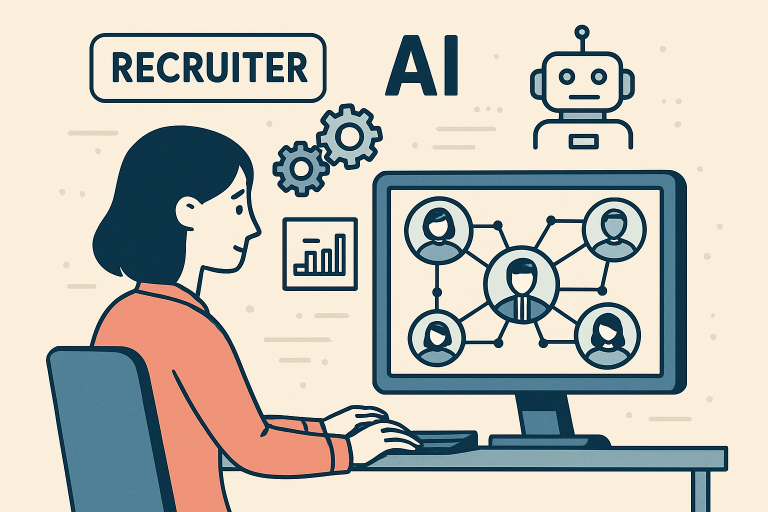
As the modern workplace undergoes rapid digital transformation, artificial intelligence (AI) has emerged as a pivotal force in talent acquisition. Today’s organizations are rethinking recruitment, turning to sophisticated technologies to attract, assess, and hire high-caliber candidates more efficiently than ever before. By leveraging sourcing automation tools, companies can streamline the identification of early-stage candidates and create a more targeted outreach strategy, thereby reducing both time-to-hire and recruitment costs.
This shift benefits not only employers but also job seekers, who increasingly expect a seamless and personalized hiring experience. Automated systems facilitate swift feedback and real-time support, eliminating bottlenecks that have long plagued the traditional hiring process. When deployed effectively, AI amplifies recruiter productivity while ensuring candidates feel valued and informed throughout every stage.
Moreover, AI-driven recruitment platforms are equipped to handle large volumes of data—scanning resumes, parsing candidate profiles, and matching them to open positions with remarkable accuracy. These platforms are refining the art of candidate engagement and selection, harnessing predictive analytics not only to fill roles faster but to improve retention in the long run.
The rapid evolution of these technologies also underscores the need for an ethical and balanced approach—one that combines the speed and precision of automation with the empathy, strategy, and oversight of experienced HR professionals. For organizations seeking to stay ahead, ongoing investment and learning in AI-driven methods is now essential. For an in-depth understanding of how AI is disrupting HR and recruitment practices globally, see this Harvard Business Review analysis.
AI in Recruitment: A Paradigm Shift
The introduction of AI into mainstream recruitment marks a fundamental shift from manual processes toward automated, analytics-driven hiring. AI-powered systems can automate repetitive administrative tasks, such as resume parsing, initial screening, and even candidate ranking based on job compatibility. By tapping into passive talent pools and sifting through vast datasets with speed and accuracy, AI solutions are uncovering talent that may never have surfaced through conventional methods.
For example, AI-based sourcing automation can identify candidates who align not just with open roles, but with an organization’s long-term strategic vision, cultural values, and diversity goals. This kind of innovative sourcing doesn’t just fill vacancies—it builds strong, future-ready teams and can drastically improve recruitment return on investment.
Enhancing Candidate Experience with AI
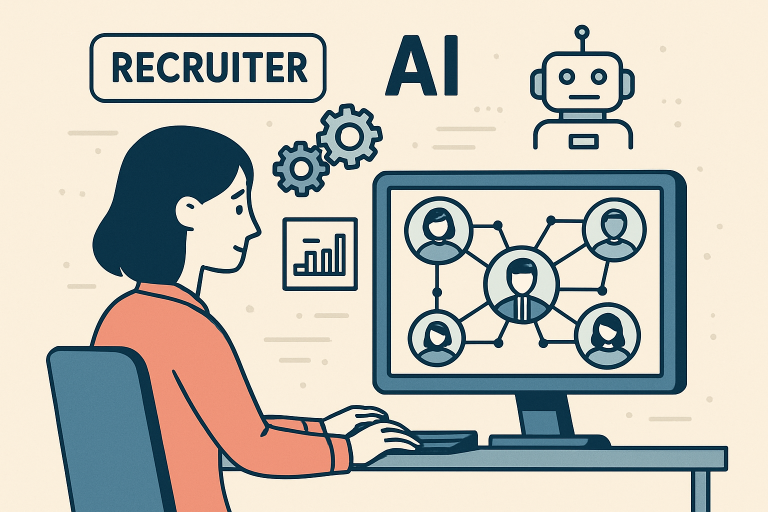
Today’s candidates expect transparency, quick responses, and clear guidance—criteria that AI is uniquely suited to address. Virtual chatbots engage applicants at every phase, offering instant answers to questions, clarifying next steps, and even providing constructive feedback on interview performance or assessment tasks. This level of responsiveness ensures candidates never feel “lost in the process,” which is key for maintaining a positive brand reputation in competitive talent markets.
Perhaps just as importantly, applicant tracking systems integrated with AI can send personalized updates, reminders, and tailored content, making every interaction feel relevant and respectful of candidates’ time. By creating a frictionless journey, organizations differentiate themselves and reduce the risk of losing talent to more responsive competitors.
Data-Driven Hiring Decisions
AI’s core advantage lies in its capacity for robust data analysis and pattern recognition. The technology uses complex algorithms to parse information from resumes, social media, and proprietary databases, assessing qualifications, experiences, and even intangible attributes such as “culture fit.” AI collects and analyzes feedback from recruiters, interviewers, and peers, turning subjective inputs into actionable insights for continually refined hiring strategies.
Additionally, AI can help identify skills gaps within teams, forecast future talent needs, and measure the downstream impact of hiring decisions on business outcomes. This task was previously impossible without substantial manual effort. For organizations striving to minimize unconscious bias, AI tools offer much-needed objectivity, but only when they are well-designed and regularly audited. For more information on data-driven recruiting, refer to this Forbes HR Council article.
Overcoming Challenges in AI-Driven Recruitment
Despite its many benefits, AI in recruitment brings unique challenges. Data privacy and candidate consent are critical issues that require transparency in how information is collected, stored, and used. Furthermore, algorithms must be continuously monitored to ensure they do not perpetuate bias or systematically disadvantage certain groups of applicants.
Organizations must also strike a balance between automated efficiencies and human judgment. AI should serve as a tool—accelerating routine tasks and providing insights—while experienced recruiters retain final decision-making authority. Ongoing training, diverse hiring committees, and open communication channels are essential components of an ethical AI strategy in recruitment.
Future Trends in AI and Talent Acquisition
AI’s influence on talent acquisition will only deepen in the coming years. Emerging applications include predictive analytics for workforce planning, voice-activated AI interviewers, and deep learning models that can analyze nuanced candidate behaviors during video interviews. The integration of AI with other digital workplace tools—such as collaboration platforms and performance management systems—will enable truly end-to-end, data-informed talent management.
Organizations that invest now in scalable, ethical AI solutions will be best positioned to attract the next generation of top talent while adapting swiftly to future market disruptions.
Conclusion
AI’s transformative power in recruitment cannot be overstated. From automating key tasks to enhancing candidate experience and supporting data-driven decisions, AI is setting new benchmarks for what is possible in talent acquisition. Maintaining a human-centred approach—rooted in transparency, fairness, and continual learning—will ensure these tools are used to their fullest potential, helping organizations build resilient teams in an AI-driven era.